
Product Info
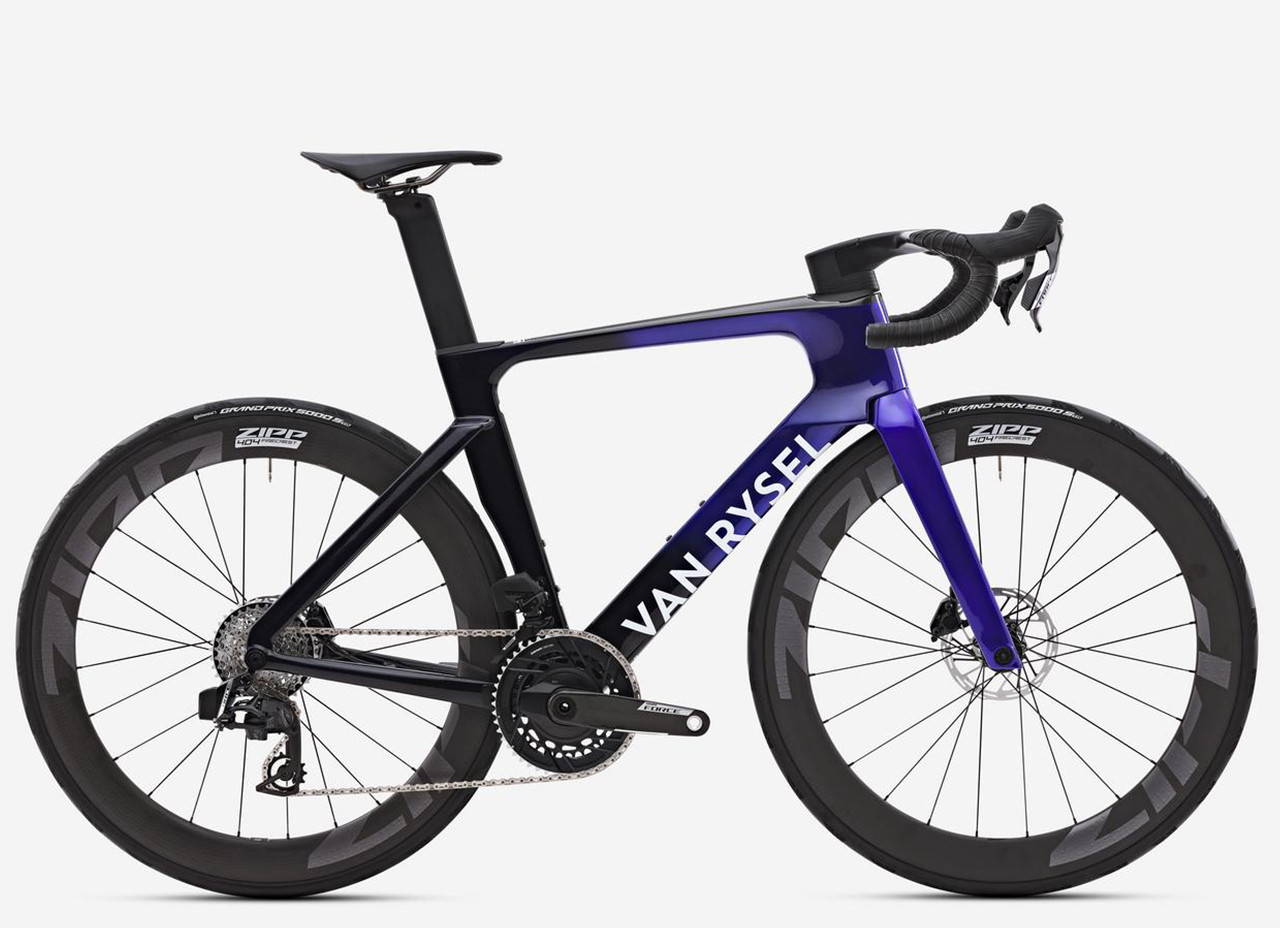
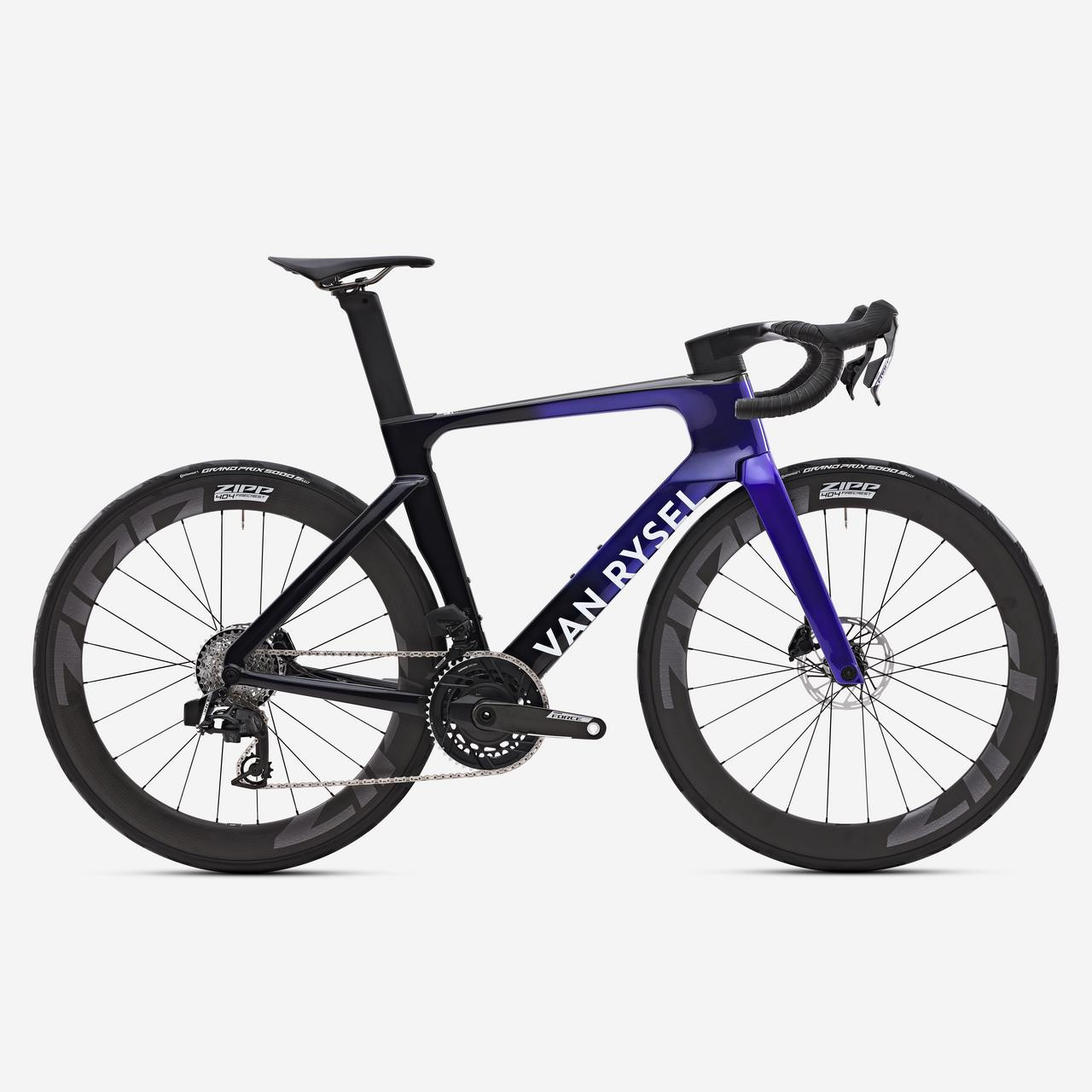
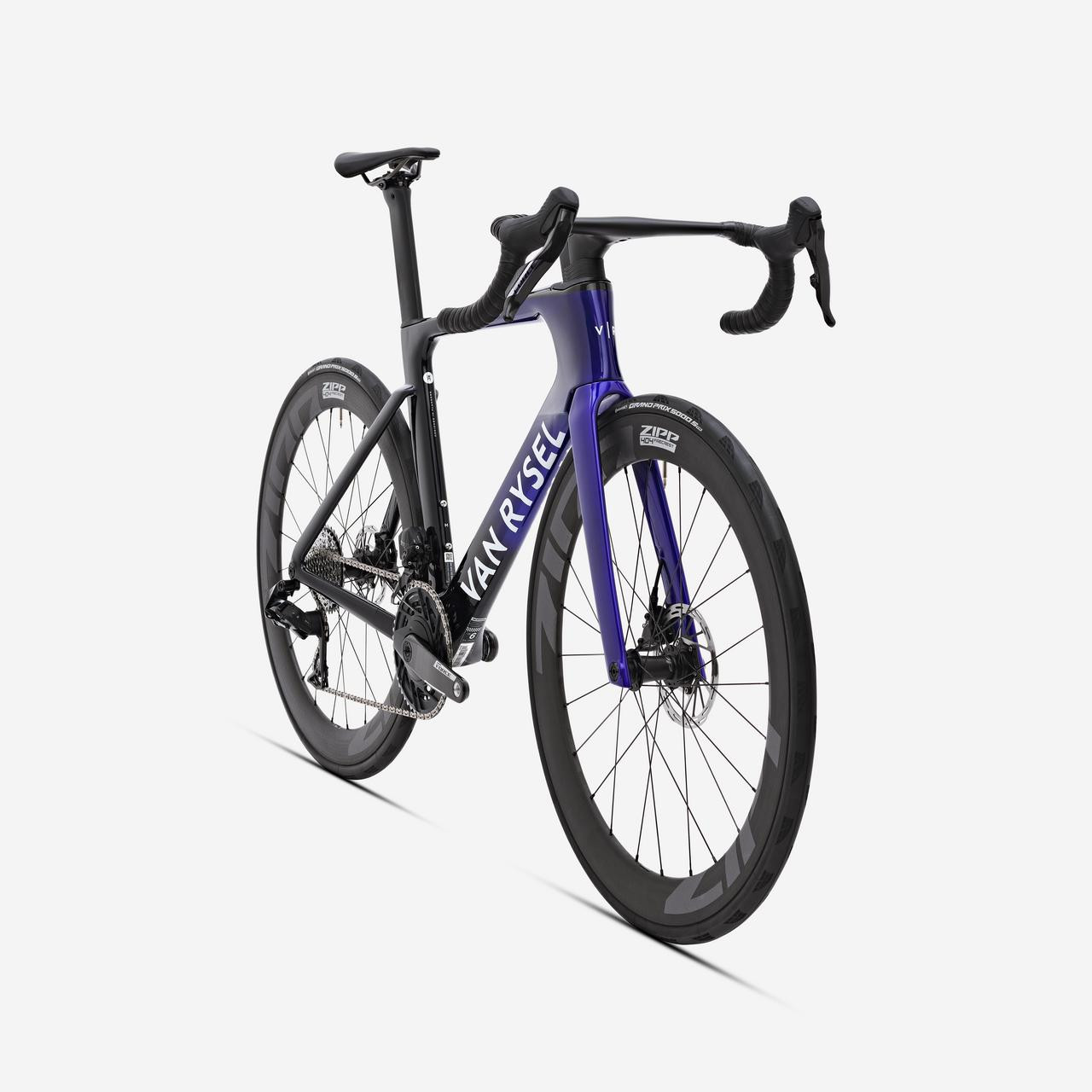
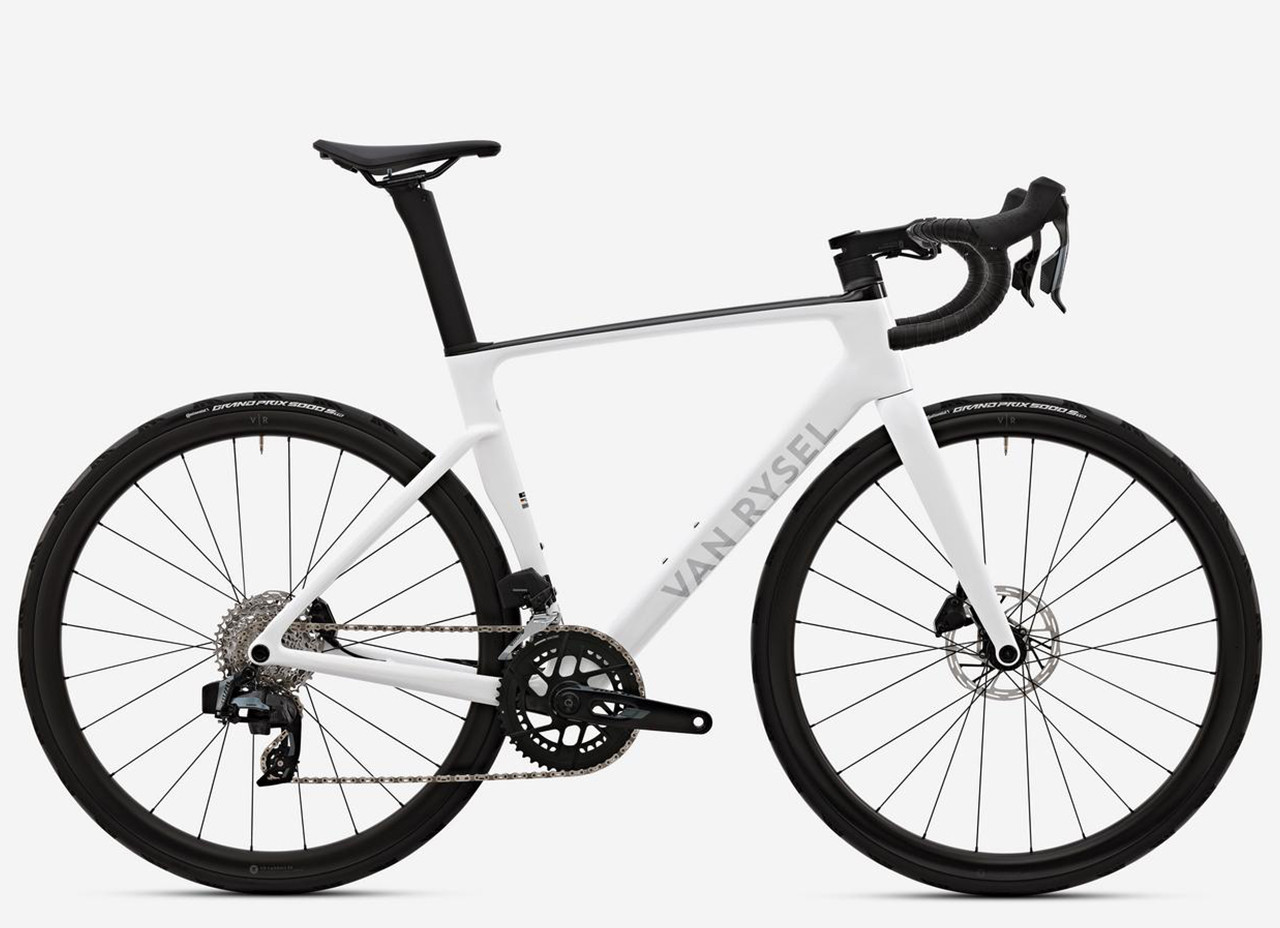
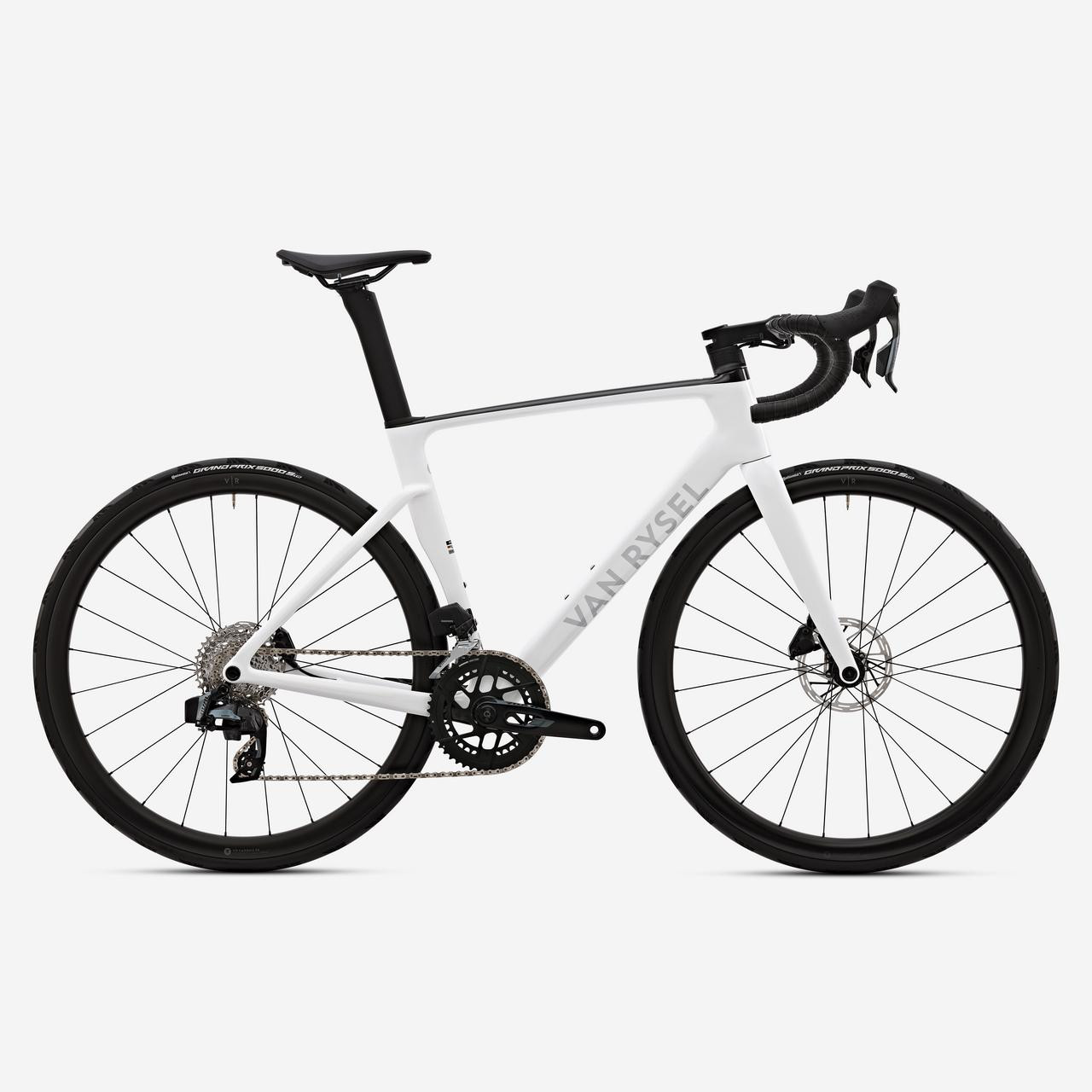
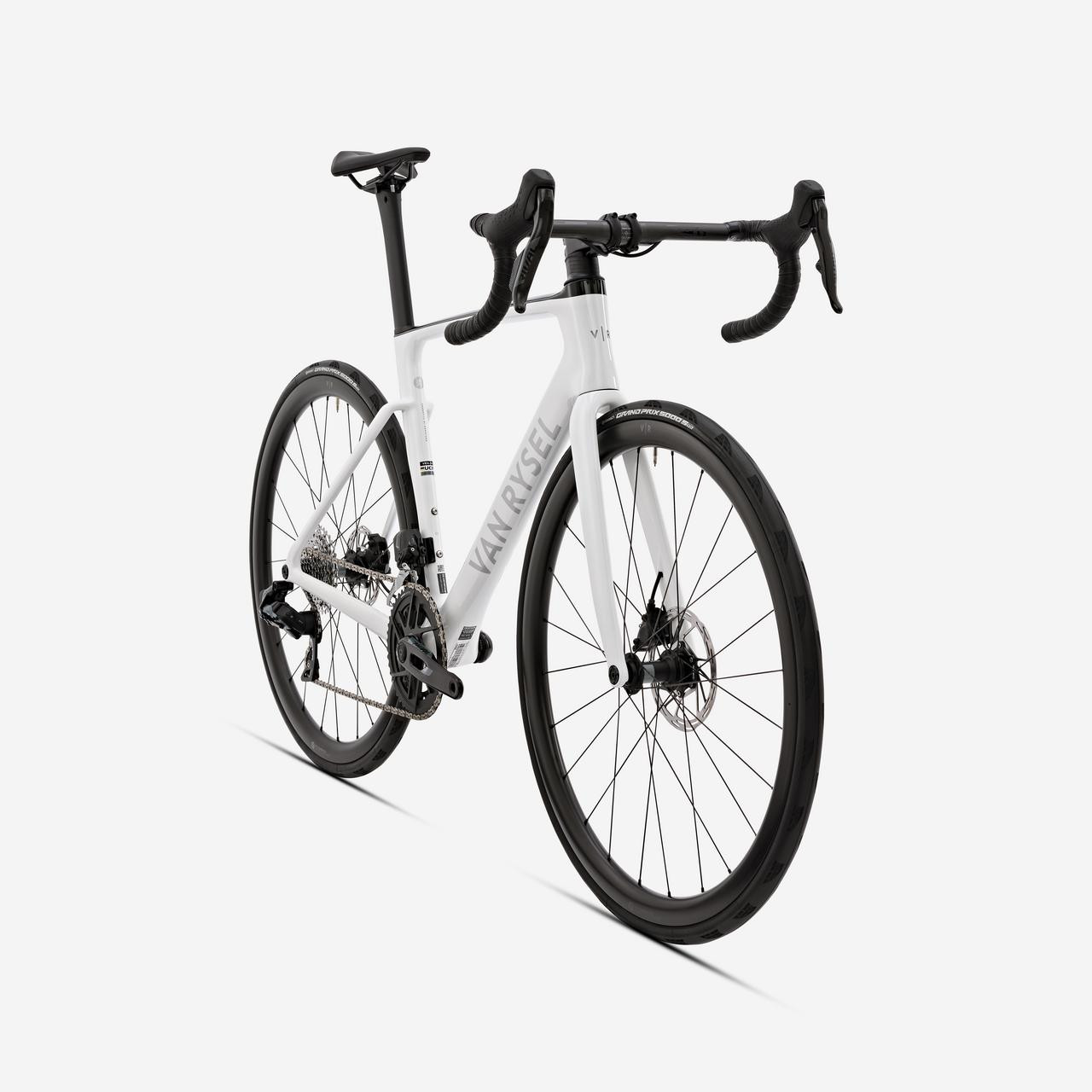
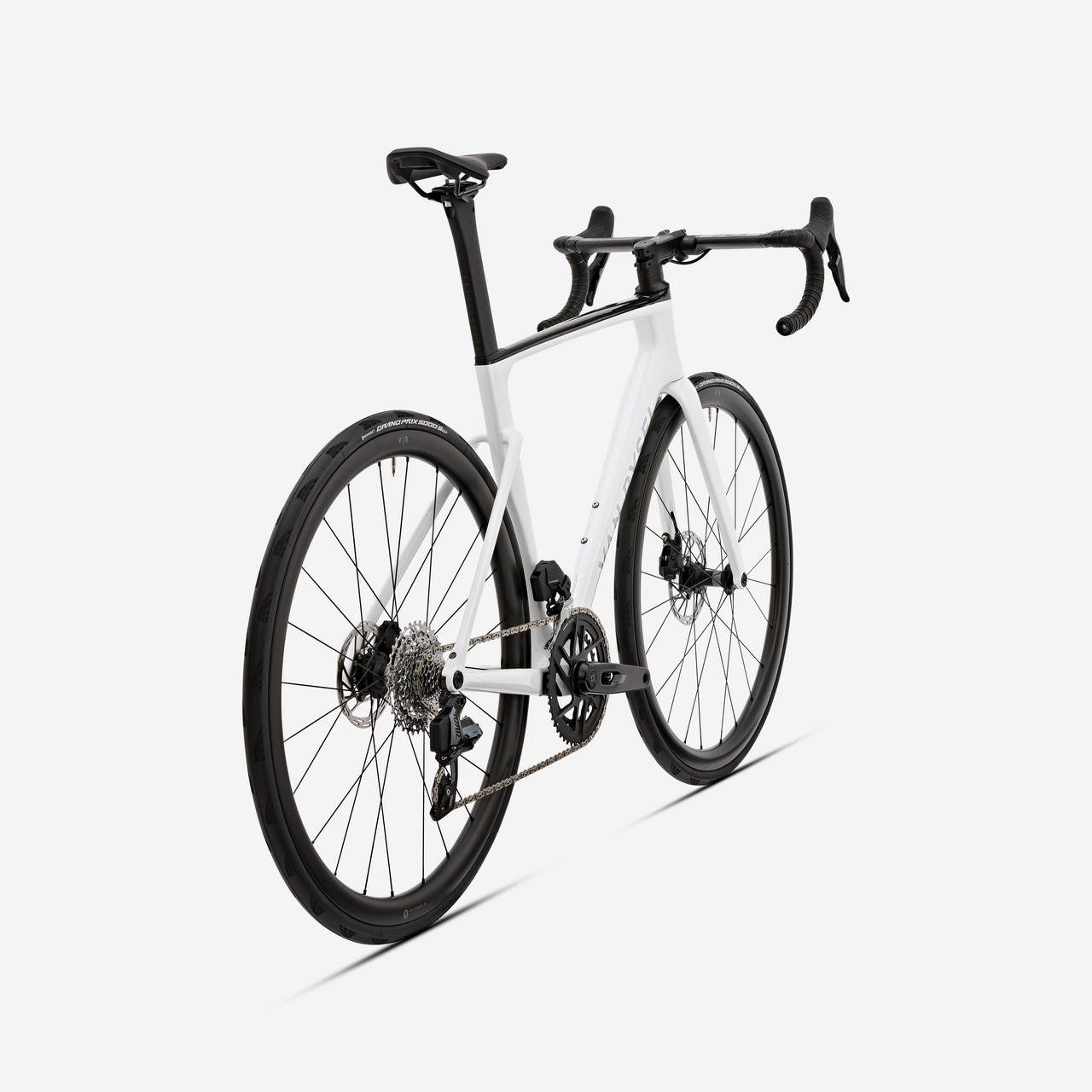
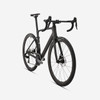
This is our most accomplished bike to date. It has been designed and tested by aerodynamicists and offers the perfect balance between pure performance and pleasure. This bike is for racers obsessed with achieving the perfect balance of aerodynamics, weight and rigidity. RCR stands for "racer", because that's who it's for.
The RCR range
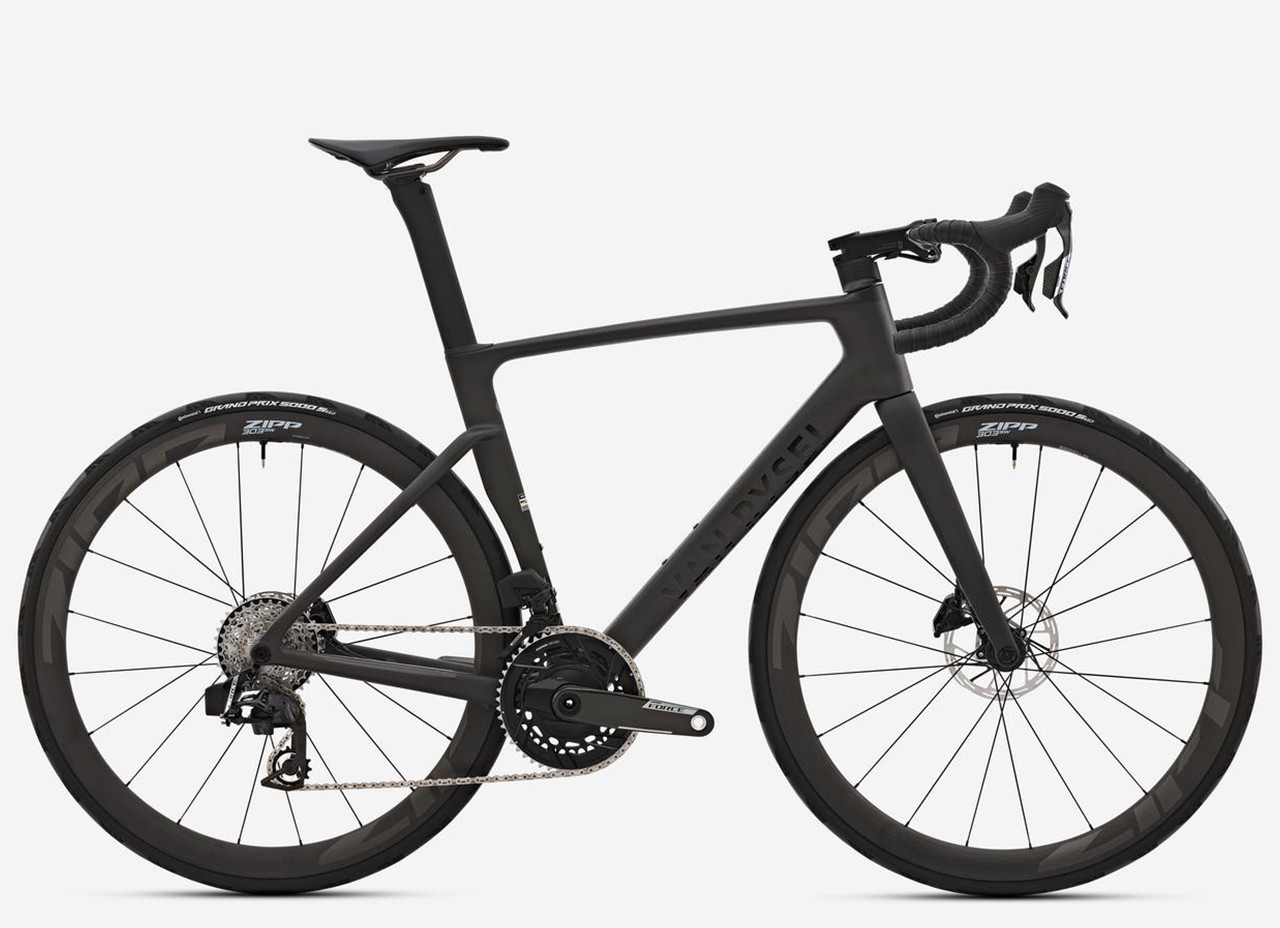
The RCR range is a real treat for cyclists who want a complete bike with no compromises. For this bike, performance was our priority. The cross-sections of every tube have been calculated to be as efficient as possible in the main wind angles (-15°/+15°). This bike falls within the "lightweight aero" category of bikes, offering the perfect balance between weight, rigidity and aerodynamics and resulting in an exceptional bike.If you want a bike for all terrains, the RCR is for you!
What's the difference between the RCR and the RCR Pro?
What makes a carbon frame is its geometry, its shapes and its layup. The layup is how the carbon fibres are assembled. Not all fibres have the same properties. On the frame of the RCR, we only use high-modulus fibres. On the RCR PRO, we've chosen exceptional fibres that make the bike stiffer in the areas that are put under the most stress and that slightly reduce the weight. The RCR PRO is ready to compete at the highest level.
A closer look at the frame
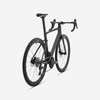
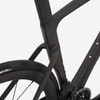
The RCR Pro's frame weighs 790 g (painted) in size M The RCR Pro's fork weighs 380 g (painted) in size MThe frame can take tyres up to 32 mm wide.There may be variations in weight depending on the colours (+/- 50 g).PLEASE NOTE: Carbon frames must not be secured on the top tube, seat tube and down tube using a clamp (workshop stand, bike carrier). Carbon is a very rigid material but it does not withstand compression.
SEVERAL FINISHES TO CHOOSE FROM
Depending on the groupset and wheel configuration, we offer different finishings to choose from so that you can ride in a model you styled yourself. The RCR and Pro frames come in a raw carbon finish covered in a matte varnish. This means that the carbon fibres are visible since they are not covered by paint. Every frame is unique as the 450 pieces are individually laminated by hand in the mould, which saves up to 100 g.
COCKPIT
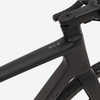
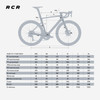
We've integrated the parts of the headset so that the RCR steers smoothly while remaining easy to maintain. DEDA x VAN RYSEL Superbox EVO: the stem is lightweight yet sufficiently rigid XS: 80mm S: 90 mm M: 100 mm L: 110 mm XL: 120 mm DEDA SUPERZERO RS handlebar (carbon) Deda measurements are taken from the ends (ex: a 400 mm handlebar measured between axles = a 420 mm handlebar from Deda) Width between axles: XS/S: 400 mm M/L: 420 mm XL: 440 mm
SRAM FORCE AXS E1 GROUPSET AND QUARQ POWER METER
The RCR bike is equipped with the SRAM FORCE ETAP AXS E1 complete groupset and Quarq power meter. A power meter is a must for cyclists who want to plan their training to help them improve. Total drive train weight: 2920 g with power meter The electronic groupset has two separate batteries (one for each derailleur). You can use the SRAM app to set up your bike and view data from your rides.
SRAM FORCE AXS E1 DRIVE TRAIN
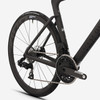
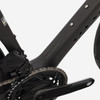
Shifter: FORCE ETAP AXS E1 Front derailleur: FORCE ETAP AXS E1 Rear derailleur: FORCE ETAP AXS E1 MAX 36T Cassette: Force XG 1270 E1 10-36 Crankset: FORCE E1 DUB PM 48/35T Crank length by size XS:165 S: 170 mm M: 172.5 mm L/XL: 175 mm SRAM Force chain The SRAM elements are easy to replace, with the Force and Rival ranges being compatible.
Drive train maintenance
Please note that it is important to regularly service your drive train, especially if you ride in difficult conditions (wet and/or dirty roads). Regular maintenance will help your drive train to last for longer. You should regularly check your chain with our chain wear indicator, which is available on our website.
LIFESPAN OF A DRIVE TRAIN
When buying a bike, it's important to take into account the cost of servicing it, especially as regards the drive train. The amounts below are averages and are given so that you have a general idea of what to expect. They will of course vary depending on the care you take of your drive train. The average lifespan of a well-maintained chain is 5000 km. The average lifespan of a cassette is 10,000-12,000 km. A poorly maintained chain can jump, which can damage your bike's frame.
Disc brakes
SRAM FORCE E1 disc brakes with 160 mm discs at the front and 140 mm at the back. The SRAM FORCE E1 disc brakes are hydraulic. This gives you more progressive and more powerful braking than with cable-actuated hydraulic brakes. You will need to bed these brakes in. Simply brake gradually 20 times at a low speed (20 km/h), then repeat at 30 km/h. Make sure to bed in both brakes. Bedding in creates more friction between the disc and brake pad.